


STORY BY Leontine INEZA.
From accountability to tech, the first day sparks a powerful call for gender-safe media.
Addis Ababa, Ethiopia – The first day of the African Women in Media (AWiM) 2025 Conference at the African Union Headquarters set a bold and inspiring tone. Under the theme “Beyond Commitments: Advancing Policies for Gender-Safe Media,” journalists, media leaders, and advocates from across Africa gathered to confront persistent gender inequities and explore strategies for safer, more inclusive media spaces.
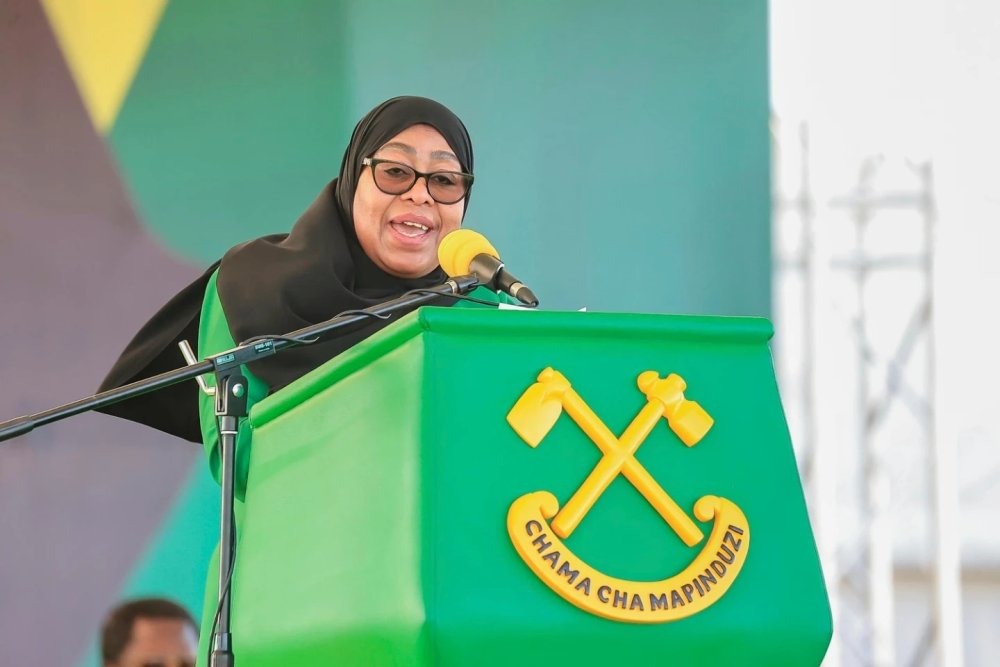
The morning began with opening remarks from several distinguished speakers. Dr. Yemisi Akinbobola, Co-founder and CEO of AWiM, reflected on the organization’s journey and its ongoing mission: “AWiM has leaped since 2018, but the work is far from over. Justice for victims must be real, tangible, and perpetrators held accountable, online and offline.” Her words resonated throughout the conference, reminding attendees that progress requires courage, collaboration, and concrete action.

Dr. Yemisi Akinbobola, Co-founder and CEO of AWiM, delivering opening remarks.
Multiple Panels, one mission throughout the day, panels tackled a range of topics central to gender equality in media, including gender-based violence (GBV), digital safety, youth empowerment, and inclusion in leadership and technology. The discussions highlighted the urgent need for stronger legal frameworks, safer online spaces, and policies that amplify women’s voices in media and tech.
Yonatan Tesfaye, Deputy Director General of the Ethiopian Media Authority, emphasized the critical role of governments in protecting citizens online: “Logging on doesn't make you less vulnerable; digital protection must be treated as legal protection.”

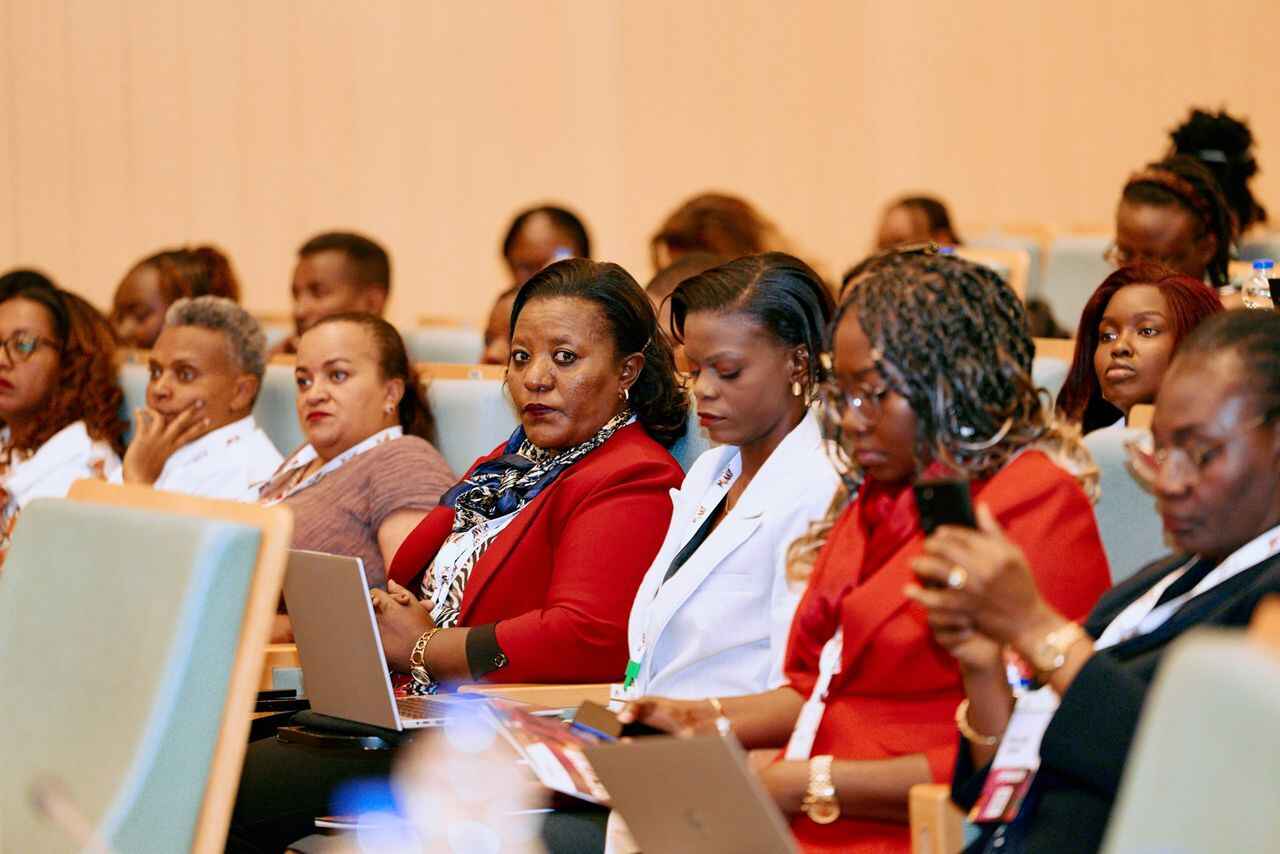
Panelists discuss strategies to address gender-based violence, digital safety, and leadership inclusion.
The conference also examined the gender gap in technology and leadership. Lebogang Maphada, Investment Officer, warned that solutions developed in male-dominated tech spaces often fail to address women’s lived realities: “Women remain underrepresented in tech leadership. When monoculture dominates, solutions fail to reflect lived realities. Safety cannot be optional; it must be embedded in design.”
Delegates were reminded that addressing GBV is a collective responsibility. David Omwoyo, CEO of the Media Council of Kenya, stressed: “GBV is everyone's problem. The men in this room have a role to play when women's rights are violated; society suffers. We must work together to create safer spaces.” Similarly, Latifa Tayah highlighted the potential of technology and AI, emphasizing that “Safety must not be a premium feature; it must be a fundamental design principle.”
Moderators, including Lindiwe Mugabe, underlined the role of journalists as more than storytellers they are gatekeepers of accountability and truth: “Today, we confront GBV that affects all spaces of our interconnected world.”
Discussions were rich and interactive, ranging from policy development to practical strategies for embedding safety and inclusion in digital media, as well as promoting youth empowerment in media leadership. Attendees exchanged ideas, debated approaches, and reflected on the challenges and opportunities facing women journalists in Africa.
Looking ahead as the conference continues, delegates are expected to translate these discussions into actionable strategies for media houses, regulators, and governments. The first day of AWiM25 demonstrated that gender equality in media is not just a goal it is a responsibility. Women journalists are taking the lead in shaping safer, fairer, and more inclusive media spaces, and the energy in Addis Ababa shows that the movement for change is gaining momentum.

STORY BY Leontine INEZA.